
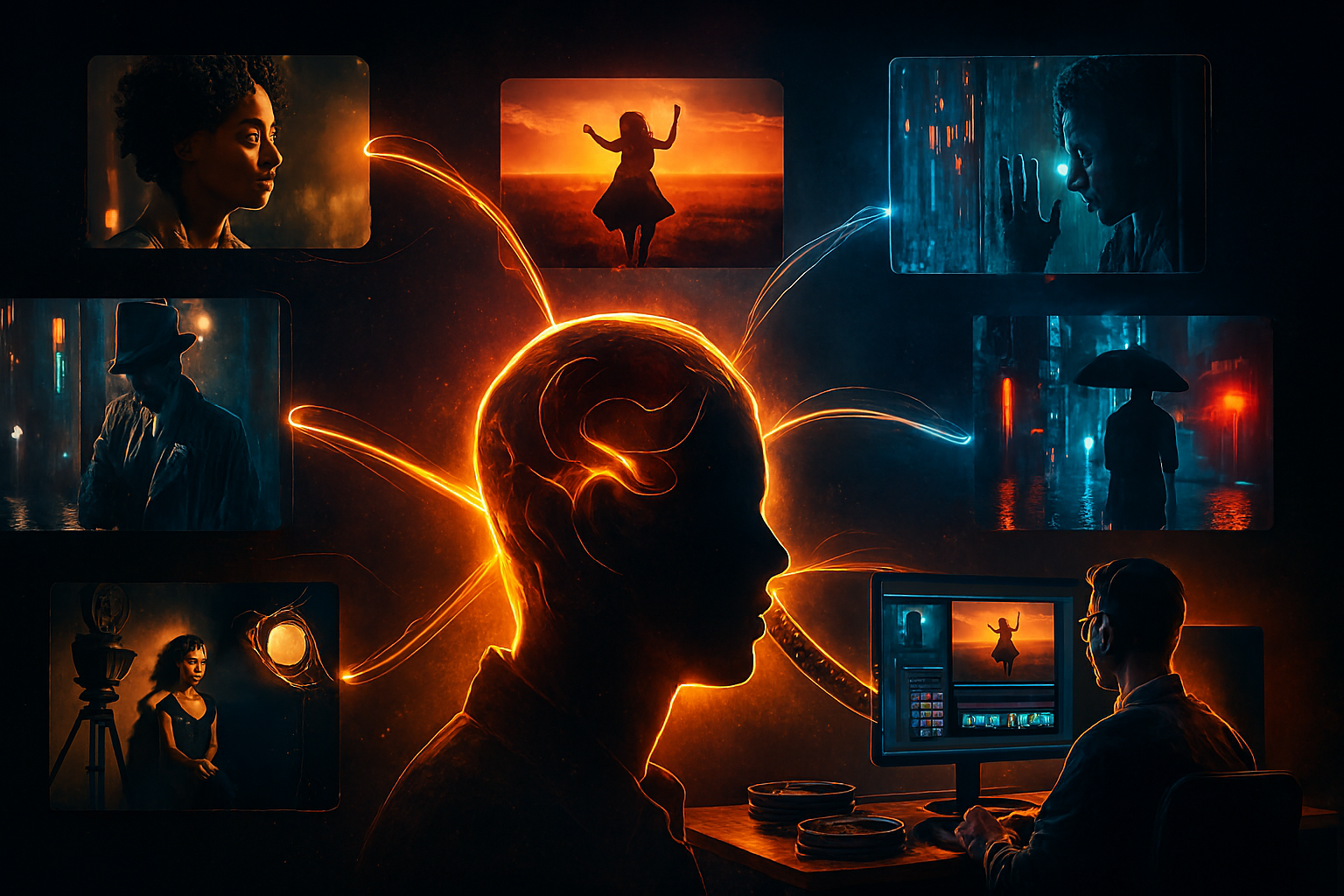
Film editing techniques are ways to put video clips together to tell a story. Editors use them to create rhythm and feeling in a scene. Good editing helps the audience stay interested.
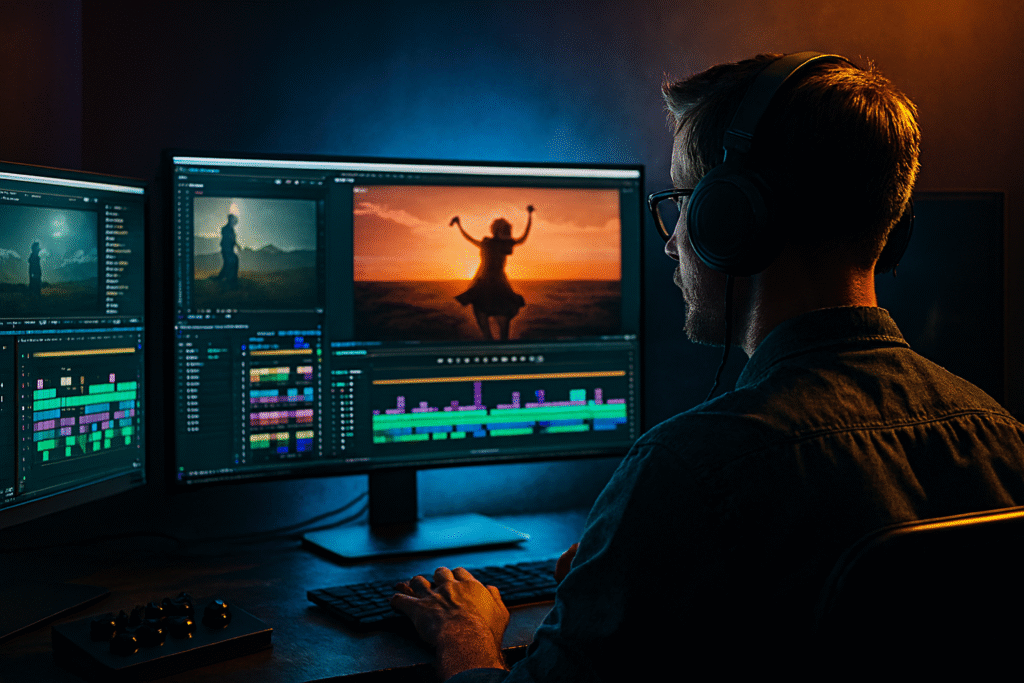
Editing is both a skill and an art. It turns raw video into a clear story that makes sense. Tools like HitFilm by FXhome help anyone make professional videos. Even beginners can add cool effects and polish their work.
Understanding Film Editing Techniques
Film editing techniques are ways to join and arrange video clips to tell a story. They help create rhythm and emotion. Every cut, sound, and transition shapes how people feel and react to a scene.
Editing is both creative and technical. It turns raw video into a story that makes sense. Tools like HitFilm by FXhome make editing and visual effects (VFX) simple for everyone—from new learners to pros.
Two Main Types of Film Editing
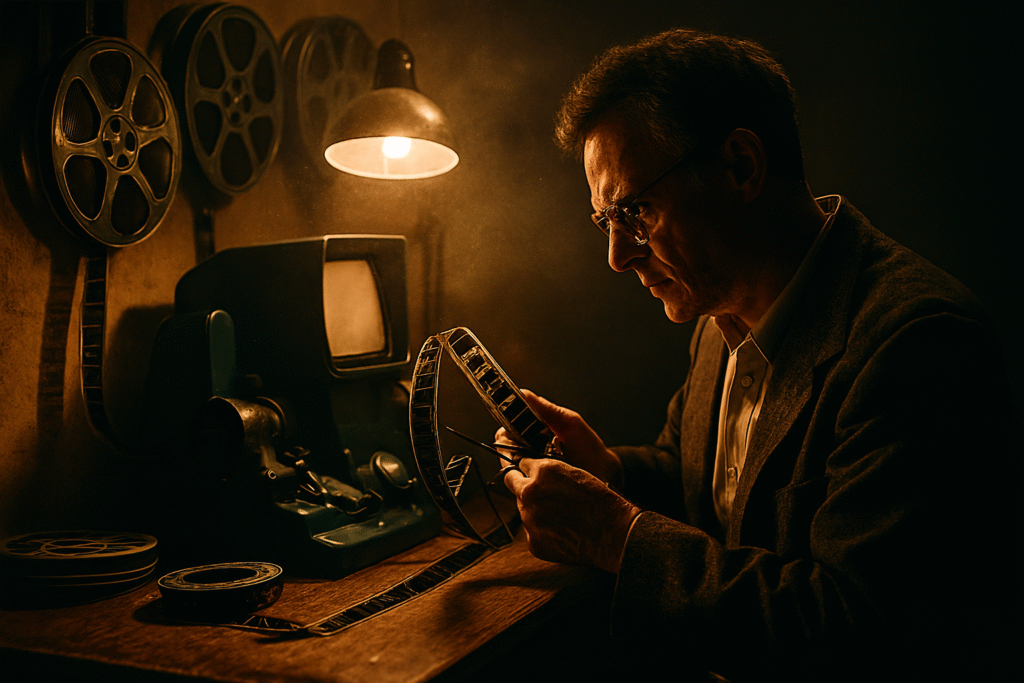
1. Mechanical Editing
Mechanical editing is about how clips are put together. It focuses on structure, timing, and rhythm. The goal is to keep the story clear and smooth.
2. Narrative Editing
Narrative editing shapes emotion and story flow. It decides what to show, when to show it, and how it makes the viewer feel.
In short: Mechanical editing controls structure. Narrative editing controls emotion.
The Role of Editing in Films
Every shot gives the viewer information. But editing controls how fast or slow that information appears. Timing can change emotion—slow cuts build tension, while fast cuts create excitement.
For example, in Mad Max: Fury Road, director George Miller used center framing. This kept the focus in one place so even fast scenes felt clear and thrilling.
🎞️ Five Common Film Editing Techniques
| Technique | Description | Best Used For | Example |
|---|---|---|---|
| Straight Cut | One shot ends, another begins. | Smooth scene change. | Dialogue or action scenes. |
| Split Cut (L & J Cut) | Audio from one scene overlaps the next. | Natural sound flow. | Interviews or vlogs. |
| Jump Cut | Skips part of a shot to show time passing. | Fast, fun edits. | YouTube videos. |
| Match Cut | Links two shots with similar motion. | Clean transitions. | Fight or dance scenes. |
| Graphic Match Cut | Matches shapes, colors, or ideas. | Creative style. | Edgar Wright’s films. |
🎥 Pro Tip: You can try all these in HitFilm, the free editing and VFX tool by FXhome.
⚙️ Editing + VFX Integration
Editing arranges footage. VFX adds digital effects. In HitFilm, you can edit, add effects, and color grade in one place. This makes post-production faster and more creative.
This mix lets editors build great rhythm while adding stunning visuals.
Examples from Professionals
- George Miller – Mad Max: Fury Road
He used centered shots to keep action easy to follow. It shows how clear structure boosts emotion. - Steven Spielberg – The One-Shot Master
He often uses long takes with no cuts. It lets the viewer explore the scene naturally.
Why Modern Film Editing Stands Out
- Story Control: Editing builds tension and emotion.
- Creative Freedom: Tools like HitFilm mix editing and VFX easily.
- Engagement: Smooth rhythm keeps viewers hooked.
- Emotion Control: Narrative editing can shape feelings.
- Easy Access: HitFilm Express is free and simple to use.
Common Mistakes
- Too many cuts can confuse viewers.
- Bad sound transitions break focus.
- Learning software takes time.
- Mixing styles too much can hurt tone.
Editing Styles Compared
| Type | Focus | Strength | Limitation |
|---|---|---|---|
| Mechanical | Structure, timing | Keeps pace clear | Can feel cold |
| Narrative | Emotion, story flow | Deep connection | Needs skill |
| Hybrid | Mix of both | Balanced effect | Hard to master |
Best Editing Tools
| Software | Maker | Key Feature | Skill Level |
|---|---|---|---|
| HitFilm | FXhome | Editing + VFX together | Beginner–Pro |
| DaVinci Resolve | Blackmagic | Color + editing | Intermediate–Pro |
| Adobe Premiere Pro | Adobe | Advanced tools | Professional |
| Final Cut Pro | Apple | Fast rendering | Intermediate–Pro |
FAQs
1. What is the purpose of film editing techniques?
To join shots and sounds into a clear and emotional story.
2. What is mechanical vs narrative editing?
Mechanical arranges shots; narrative builds emotion.
3. What are the main editing techniques?
Straight Cut, Split Cut, Jump Cut, Match Cut, and Graphic Match Cut.
4. How do editors create emotion?
By changing pacing, rhythm, and scene order.
5. What software should I use?
HitFilm by FXhome is a great free choice.
6. Can I edit films for free?
Yes. HitFilm Express gives pro tools at no cost.
7. Why is editing important?
It controls how viewers feel and understand the story.
Conclusion
Film editing techniques bring stories to life. Every cut changes how people see and feel a scene. Whether it’s a Jump Cut for energy or a Graphic Match Cut for style, editing shapes emotion.
With HitFilm by FXhome, anyone can mix editing and VFX in one smooth workflow—perfect for creators who want powerful and creative stories.
Take your business to the next level — Click here to see how growth really happens!
Author Bio
Farid Ahmmad is a professional film editor and video creator with 5+ years of experience in editing techniques and visual storytelling. Skilled in HitFilm by FXhome and VFX, he helps filmmakers craft engaging and visually compelling stories.
References
- FXhome. (2024). HitFilm Official Editing & VFX Guide.
- American Film Institute (AFI). Principles of Film Editing.
- Bordwell, D., & Thompson, K. (2023). Film Art: An Introduction.
- StudioBinder. (2024). Cinematic Editing Techniques Explained.
- George Miller. (2015). Mad Max: Fury Road – Behind the Scenes Interviews.
